Author: Dorothy Yap

Peptides Costa Rica Pinterest Board for Peptide Research InsightsPeptides Costa Rica Pinterest Board for Peptide Research Insights

Peptides Costa Rica Pinterest Board for Scientific Health Inspiration

The digital presence of wellness and biotechnology brands increasingly depends on visual discovery platforms, and Pinterest has become one of the most influential channels for this purpose. Peptides Costa Rica Pinterest board plays a strategic role in showcasing curated visuals, educational pins, and research-inspired content that connects audiences with peptide science and wellness innovation. Peptides Costa Rica Pinterest board helps bridge the gap between scientific information and accessible visual storytelling, allowing users to explore complex topics in an engaging format. By organizing pins into themed collections, the board enhances user experience and encourages deeper interaction with peptide-related insights. In a digital landscape where attention spans are short, visual-first platforms like Pinterest help simplify complex health topics while maintaining credibility. This approach strengthens brand recognition and supports long-term audience engagement across global wellness communities over time and builds strong trust.

Understanding the Peptides Costa Rica Pinterest Board

The Peptides Costa Rica Pinterest board is designed as a curated digital gallery that highlights peptide-related content in a visually appealing and structured way. It serves as a centralized space where users can discover infographics, scientific illustrations, lifestyle imagery, and wellness-focused visuals related to peptide research and applications. Unlike traditional text-heavy platforms, Pinterest allows information to be consumed quickly, making it ideal for audiences seeking both inspiration and basic educational insights. The board likely organizes content into categories such as peptide benefits, research updates, wellness trends, and aesthetic representations of biotechnology. This structured approach improves discoverability and helps users navigate complex topics with ease. By combining science with design, the board strengthens engagement and makes advanced concepts more approachable overall.

Visual Strategy and Educational Content Value

The Pinterest board strategy focuses heavily on visual storytelling to communicate peptide science in a simplified and engaging format for wider audience understanding globally today. Each pin is carefully designed to balance aesthetics with educational value, ensuring users can quickly grasp complex information without feeling overwhelmed in digital spaces today. Infographics, charts, and stylized visuals are used to represent peptide functions, benefits, and research findings in an accessible and engaging way for all users globally. Educational content is often paired with lifestyle imagery to make peptide science feel more relatable and easier to understand for general audiences across social media. This approach strengthens engagement, improves retention, and supports long-term interest in peptide-related educational content online across digital platforms today globally.

SEO and Branding Impact of Pinterest Presence

Pinterest boards help improve search visibility by creating indexed visual content that can drive organic traffic to peptide-related topics and brand pages effectively online today. Consistent posting and keyword-optimized descriptions allow the Peptides Costa Rica Pinterest board to rank higher in search results across multiple platforms including visual discovery systems. Brand authority is strengthened when users repeatedly encounter high-quality visual content that reinforces scientific credibility and trustworthiness in the niche over extended time period globally. Weak competition in niche visual keyword spaces allows peptide-focused boards to gain strong organic reach and engagement over time without heavy paid advertising costs involved. This makes Pinterest an essential channel for long-term digital branding in the biotechnology and wellness industries worldwide growth and awareness.

Scientific Context of Peptides and Their Digital Representation

Peptides are short chains of amino acids that play essential roles in biological functions, signaling pathways, and modern therapeutic research applications in medical science today. The growing interest in peptide research has led to increased online educational content, especially across visual platforms like Pinterest and other social media networks globally. Scientific visualization helps translate complex biochemical processes into understandable graphics, improving accessibility for both professionals and general audiences alike across digital learning platforms today globally. Authoritative sources such as NIH and Wikipedia provide foundational knowledge that supports accurate representation of peptide science in digital media for educational integrity online
Peptide science overview
This ensures that Pinterest boards like Peptides Costa Rica remain informative, credible, and aligned with current scientific understanding standards globally.

Future of Pinterest-Based Biotechnology Marketing

Pinterest continues to evolve as a powerful platform for biotech and wellness brands seeking visual engagement and audience growth online. Future strategies will likely focus on richer multimedia content, including video pins, infographics, and interactive educational visuals for users globally. Brands will increasingly rely on data-driven insights to optimize content performance and improve audience targeting across niche markets over time. Integration with scientific education platforms will further enhance credibility and expand the reach of peptide-related content worldwide in digital spaces. Overall, Pinterest will remain a key visual discovery engine for emerging biotechnology and wellness industries in coming years globally expanding.


Building Stronger Digital Capabilities Through Modern Software PartnershipsBuilding Stronger Digital Capabilities Through Modern Software Partnerships

Improving Collaboration Across Technical Teams

Technology driven organisations continue searching for reliable ways to accelerate software innovation while maintaining operational stability. Businesses across Europe are modernising platforms, upgrading infrastructure, and investing in scalable applications that improve customer experiences. These projects require experienced engineering professionals who can contribute effectively across multiple development environments and evolving technical ecosystems.

Many organisations now rely on Full-stack development teams NL partnerships to support complex software initiatives while maintaining flexibility during growth periods. Access to multidisciplinary engineering expertise allows businesses to manage frontend development, backend architecture, cloud integration, and testing processes through a more coordinated and efficient delivery model.

Successful collaboration depends on more than technical ability alone. Teams must also align with business goals, communication practices, and long term operational priorities. Organisations that establish transparent workflows and collaborative planning structures often experience improved software quality, greater delivery consistency, and more predictable project outcomes.

Cross functional engineering teams can also improve development efficiency by reducing communication gaps between specialists. When developers, testers, architects, and project stakeholders work closely together, organisations gain faster feedback cycles and stronger visibility throughout the software development process.

Supporting Scalable Technology Growth

Modern businesses require software systems capable of adapting to changing customer expectations and evolving market conditions. Scalability has become essential for organisations operating across industries such as finance, insurance, retail, healthcare, and logistics. Development teams must therefore create flexible architectures that support future expansion while maintaining system reliability and performance.

Access to experienced engineering professionals helps organisations accelerate transformation initiatives without placing excessive pressure on internal recruitment efforts. External software partnerships provide additional capacity for cloud migration projects, enterprise application development, data engineering, and digital platform optimisation across multiple business units.

Businesses that invest in collaborative software delivery strategies are often better positioned to launch products faster and respond more effectively to market opportunities. These partnerships also encourage continuous improvement through knowledge sharing, process refinement, and stronger alignment between technical and commercial objectives.

Long term technology success often depends on the ability to combine innovation with operational discipline. Companies that prioritise structured development practices, quality assurance, and scalable delivery models can strengthen resilience while improving customer satisfaction and business performance.

Enhancing Delivery Through Agile Practices

Efficient software development requires organisations to respond quickly to changing priorities while maintaining visibility across project timelines and technical requirements. Businesses increasingly favour iterative delivery models because they support flexibility, collaboration, and continuous improvement throughout the development lifecycle.

Many enterprises now adopt Agile software delivery NL approaches to improve responsiveness during software projects and reduce delays caused by rigid development structures. Agile methodologies encourage frequent communication, incremental releases, and ongoing stakeholder engagement, helping organisations adapt more effectively to evolving operational demands.

Development teams working within agile frameworks can identify issues earlier, improve testing efficiency, and maintain stronger alignment with business objectives. This approach also supports faster deployment cycles and more accurate prioritisation of features based on customer needs and commercial value.

Consistent collaboration between developers, analysts, project managers, and decision makers creates a more transparent working environment. Organisations that embrace agile practices often experience improved productivity, clearer accountability, and better coordination across distributed technology teams operating in different regions or departments.

Creating Long Term Competitive Advantage

Technology partnerships continue playing a critical role in helping organisations remain competitive within rapidly evolving digital markets. Businesses investing in scalable software engineering strategies are often better equipped to manage innovation, strengthen operational efficiency, and improve customer experiences across digital channels.

International collaboration also introduces fresh technical perspectives that can support innovation and process optimisation. Development teams working across industries frequently contribute valuable insights related to automation, architecture modernisation, cloud adoption, and platform scalability. These capabilities can help organisations improve performance while reducing operational complexity.

As digital transformation initiatives continue expanding, companies increasingly require dependable engineering support capable of adapting to changing commercial priorities. Strong software partnerships built on communication, technical excellence, and shared business objectives provide the flexibility needed to support sustainable long term growth.

For more information: Software engineering services Netherlands

Best VPN 2025 – Full Comparison & Open DatasetBest VPN 2025 – Full Comparison & Open Dataset

Picking a VPN in 2025 isn’t about hype; it’s about speed, privacy, price, and streaming reliability. Most “top” lists are opinions. This guide is different: it’s backed by a public dataset of 20 providers that anyone can verify across multiple cloud mirrors.

Why VPNs Still Matter in 2025

With geo-restrictions tightening and consumer data collection expanding, VPNs remain one of the simplest ways to protect your traffic and unlock content worldwide. A quality VPN encrypts your connection, masks your IP, and keeps you safer on public Wi-Fi while traveling or working remotely.

How We Compare VPNs

  • Speed & reliability – streaming, gaming, and large downloads without buffering.
  • Privacy & jurisdiction – logging policies and where the company is based.
  • Pricing & value – real monthly costs and long-term plans.
  • Streaming access – consistent access to Netflix, Disney+, sports streams.
  • Device coverage – Windows, Mac, iOS, Android, Firestick, and routers.

Top Providers to Start With

These providers are consistently strong across speed, privacy, and streaming. Visit the product pages for current pricing and features:

  • NordVPN – balanced choice with advanced security features.
  • ExpressVPN – exceptionally reliable for streaming and global access.
  • Surfshark – great value, unlimited devices, strong Netflix support.
  • CyberGhost – beginner-friendly with profiles for streaming.
  • Private Internet Access – customizable and budget-friendly.

On a tighter budget? Consider FastestVPN, Atlas VPN, or ZoogVPN — all deliver solid features at low monthly pricing.

Open VPN Dataset (Multi-Cloud Mirrors)

Direct dataset files:

FAQ

What is the best VPN overall in 2025?

NordVPN, ExpressVPN, and Surfshark consistently rank highest in independent tests for speed, privacy, and streaming reliability.

Which VPN is the cheapest but still good?

FastestVPN and Atlas VPN offer strong value under $2/month while maintaining good speeds and privacy practices.

Can I trust free VPNs?

Most free VPNs have restrictions or weaker privacy. If you must, consider limited plans from reputable providers like Proton VPN.

“@context”: “https://schema.org”, “@type”: “FAQPage”, “mainEntity”: [ “@type”: “Question”, “name”: “What is the best VPN overall in 2025?”, “acceptedAnswer”: “@type”: “Answer”, “text”: “NordVPN, ExpressVPN, and Surfshark consistently rank highest in independent tests for speed, privacy, and streaming reliability.” , “@type”: “Question”, “name”: “Which VPN is the cheapest but still good?”, “acceptedAnswer”: “@type”: “Answer”, “text”: “FastestVPN and Atlas VPN offer strong value under $2/month while maintaining good speeds and privacy practices.” , “@type”: “Question”, “name”: “Can I trust free VPNs?”, “acceptedAnswer”: “@type”: “Answer”, “text”: “Most free VPNs have restrictions or weaker privacy. If you must, consider limited plans from reputable providers like Proton VPN.” ] “@context”: “https://schema.org”, “@type”: “Dataset”, “name”: “Best VPNs 2025 — GlobalVPNAccess Masterset”, “description”: “Canonical list of 20 VPN products with names, alternate names, pricing, and product URLs. Mirrors on GitHub, S3, GCS, Cloudflare R2, Azure, and Backblaze B2.”, “creator”: “@type”: “Organization”, “name”: “GlobalVPNAccess”, “url”: “https://globalvpnaccess.com” , “url”: “https://github.com/vpnresources/best-vpn-2025”, “sameAs”: [ “https://globalvpnaccess.com”, “https://github.com/vpnresources/best-vpn-2025” ], “keywords”: [“VPN”,”Privacy”,”Streaming”,”2025″,”NordVPN”,”Surfshark”,”ExpressVPN”], “distribution”: [ “@type”: “DataDownload”, “encodingFormat”: “text/csv”, “contentUrl”: “https://raw.githubusercontent.com/vpnresources/best-vpn-2025/main/vpn_data.csv” , “@type”: “DataDownload”, “encodingFormat”: “application/json”, “contentUrl”: “https://raw.githubusercontent.com/vpnresources/best-vpn-2025/main/vpn_data.json” , “@type”: “DataDownload”, “encodingFormat”: “application/json”, “contentUrl”: “https://gvpa-datasets-globalvpnaccess.s3.us-west-2.amazonaws.com/datasets/v1/vpn_data.json” , “@type”: “DataDownload”, “encodingFormat”: “text/csv”, “contentUrl”: “https://storage.googleapis.com/gvpa-datasets-globalvpnaccess/datasets/v1/vpn_data.csv” , “@type”: “DataDownload”, “encodingFormat”: “text/plain”, “contentUrl”: “https://pub-eca5c294abe546baa2dddbe7891682da.r2.dev/datasets/v1/README.txt” , “@type”: “DataDownload”, “encodingFormat”: “application/json”, “contentUrl”: “https://gvpa.blob.core.windows.net/datasets/v1/vpn_data.json” , “@type”: “DataDownload”, “encodingFormat”: “application/json”, “contentUrl”: “https://f005.backblazeb2.com/file/gvpa-datasets-globalvpnaccess/datasets/v1/vpn_data.json” ], “license”: “https://creativecommons.org/licenses/by/4.0/”  

Enhancing Employee Productivity Through Strategic Benefits in Los AngelesEnhancing Employee Productivity Through Strategic Benefits in Los Angeles

Cost-Effective Benefits For LA Companies

In today’s competitive business landscape, especially in thriving urban centers like Los Angeles, providing strategic employee benefits is more than a human resources initiative; it’s a business imperative. A well-designed benefits plan aids in employee productivity by fostering job satisfaction, reducing turnover, and improving overall morale. For companies operating in the diverse and bustling market of Los Angeles, customizing these benefits is key to staying competitive and compliant.

Why Employee Benefits Matter in LA

Los Angeles is home to a wide range of industries, from entertainment and tech to healthcare and manufacturing. With such a varied economic landscape, employers need to tailor benefits packages that cater to the needs of a diverse workforce. Beyond salary, employees now evaluate potential employers based on healthcare coverage, retirement plans, wellness programs, and additional perks like childcare or commuter benefits.

According to industry experts, offering comprehensive employee benefits not only enhances recruitment efforts but also significantly impacts employee retention and engagement. This is particularly important in a city like Los Angeles, where the cost of living is high, and the competition for skilled talent is fierce.

Taylor Benefits Insurance: A Trusted Partner for LA Businesses

For over 25 years, Taylor Benefits Insurance has been a reliable partner for Los Angeles employers seeking customized group health and employee benefit solutions. Whether you’re a small business or a large enterprise, their team specializes in crafting benefits packages that align with both employee needs and your company’s financial goals.

Services offered include:

Group Health Insurance Plans (PPO, HMO, HDHP, and more)

  • Dental and Vision Coverage
  • 401(k) and Retirement Planning
  • Flexible Spending Accounts (FSAs) and Health Savings Accounts (HSAs)
  • Life and Disability Insurance
  • Wellness and Employee Assistance Programs
  • Benefits Compliance and Administration

These offerings are designed not only to meet state and federal requirements but also to provide meaningful support to employees, ultimately contributing to a more motivated and productive workforce.

Compliance and Regulation

Compliance is a critical aspect of employee benefits. Businesses must navigate regulations such as the Affordable Care Act (ACA), the Health Insurance Portability and Accountability Act (HIPAA), and the Employee Retirement Income Security Act (ERISA). Non-compliance can lead to heavy fines and legal complications.

To stay compliant, employers can refer to authoritative resources such as the U.S. Department of Labor’s Employee Benefits Security Administration (EBSA), which offers detailed guidance on legal obligations concerning employee benefits and fiduciary responsibilities.

Taylor Benefits Insurance helps Los Angeles businesses maintain compliance by offering administrative support and regular updates on regulatory changes, ensuring your benefits plan remains legally sound and effective.

Strategic Advantages of Employee Benefits

Implementing a robust employee benefits package provides tangible business advantages:

Attracts Top Talent: Candidates often choose employers based on the quality of benefits offered.

Boosts Morale: Employees who feel cared for are more likely to stay engaged.

Reduces Turnover: Comprehensive benefits improve employee loyalty.

Improves Public Image: Companies with strong benefits programs are seen as employers of choice.

Supports Health and Wellness: Healthy employees are more productive and take fewer sick days.

Localized Expertise Makes a Difference

What sets Taylor Benefits apart is their localized knowledge of the Los Angeles market. They understand the specific challenges and opportunities faced by employers in this region, from navigating high insurance premiums to offering benefits that meet the expectations of a modern, multicultural workforce.

They also provide ongoing support through annual plan reviews, cost management strategies, and employee communication tools to ensure your investment in benefits yields maximum return.

Conclusion

For businesses in Los Angeles, offering a strategic employee benefits package is not just about meeting minimum standards; it’s about maximizing potential. By partnering with Taylor Benefits Insurance, employers can develop customized, compliant, and cost-effective benefit plans that enhance employee satisfaction and productivity.

Commuter And Childcare Benefits In LA

Electric Standing Desks: Transform Your Workday with Innovation and ComfortElectric Standing Desks: Transform Your Workday with Innovation and Comfort

Electric Standing Desks: Transform Your Workday with Innovation and Comfort
 

Today’s workforce is more mobile, more health-conscious, and more productivity-focused than ever before. As work-from-home setups and hybrid offices become the norm, furniture that adapts to these shifts is essential. That’s where electric standing desks make a powerful impact—offering health benefits, modern features, and unmatched convenience for professionals, students, and creatives alike.

What Makes Electric Standing Desks Different?

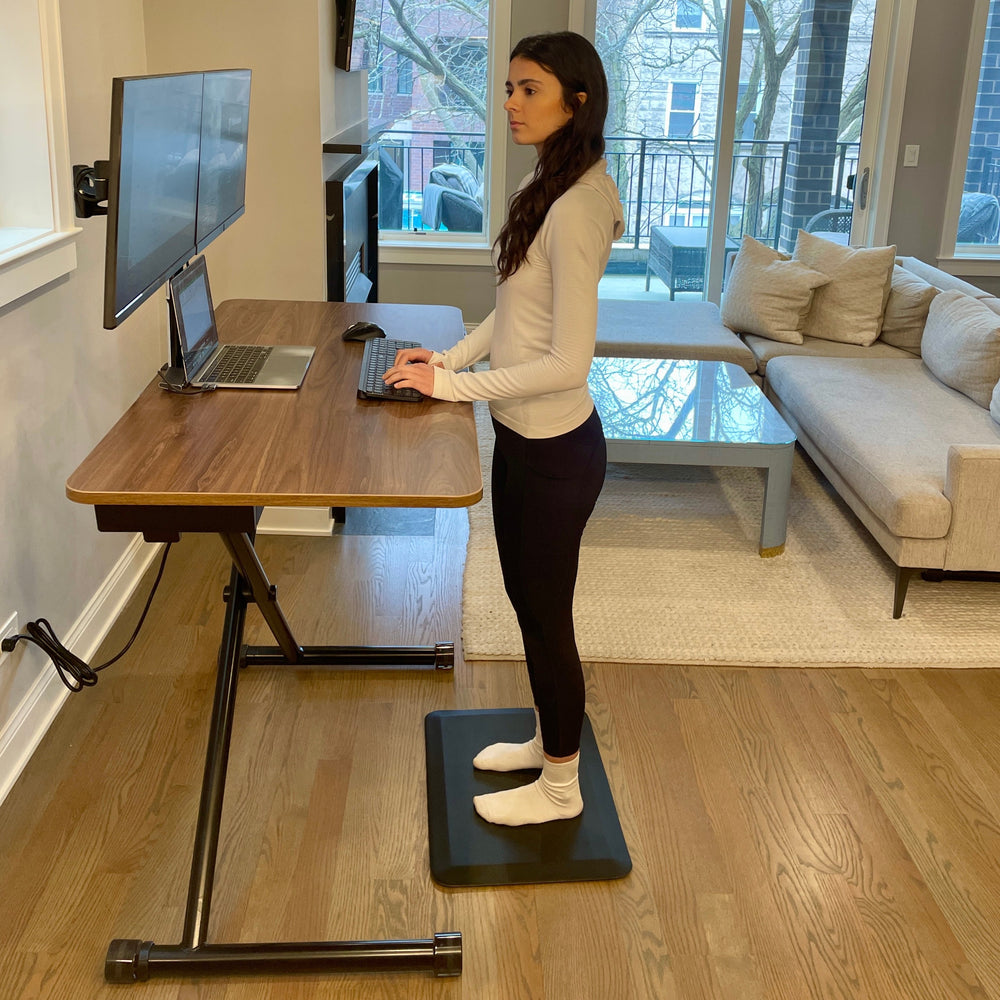
Electric standing desks are motorized desks that adjust vertically at the push of a button. This function lets users alternate between sitting and standing throughout the day without disrupting their workflow. Unlike manually adjustable desks, electric models provide smooth, precise movement and often include memory presets for customized comfort.

They come in various sizes, styles, and configurations, ranging from compact desks for tight spaces to expansive L-shaped models ideal for multi-monitor setups or collaborative environments.

Top Features of Electric Standing Desks

1. Motorized Height Adjustment

Electric desks use one or more motors to raise or lower the desk smoothly. Dual motors are common in premium models and provide quicker, quieter, and more stable adjustments.

2. Programmable Memory Settings

Many desks allow users to save preferred sitting and standing heights. With one touch, the desk returns to a memorized position ideal for multiple users or alternating between tasks.

3. Enhanced Load Capacity

Designed to support work essentials, electric desks typically handle weights between 150 to 300 pounds. This makes them perfect for setups that include multiple monitors, laptops, docking stations, and other accessories.

4. Anti-Collision Technology

This safety feature detects obstacles while the desk is in motion and stops movement to prevent damage or injury. It’s especially useful in homes with kids or pets.

5. Integrated Cable Management

Tangled wires are a productivity killer. Many electric desks offer built-in cable trays or ports to keep cords neat and out of sight.

Health and Productivity Advantages

The average desk worker sits for over eight hours a day a practice linked to poor posture, muscle strain, and chronic health issues. Electric standing desks are designed to break up long periods of inactivity.

1. Better Posture and Spine Alignment

With the desk at the right height, users are less likely to hunch or crane their neck. This alignment reduces back and shoulder strain over time.

2. Increased Focus and Energy

Standing boosts circulation and oxygen flow to the brain, improving alertness and concentration. Alternating between sitting and standing can combat the mid-afternoon slump.

3. Reduced Risk of Chronic Disease

Prolonged sitting is associated with conditions like heart disease, obesity, and Type 2 diabetes. Standing periodically can help lower these risks.

4. More Calories Burned

Standing burns slightly more calories than sitting an estimated 88 calories per hour versus 80 while seated. It’s not a workout replacement, but it adds up over a full workday.

Choosing the Right Desk for Your Needs

When selecting an electric standing desk, a few key factors will determine the best fit:

1. Height Range

Look for a desk that adjusts within your comfortable height range. Ideally, the desktop should be at elbow height when typing, whether sitting or standing.

2. Size and Shape

Consider your room layout. Compact desks fit well in tight spaces, while corner desks offer more surface area and are ideal for dual-monitor or creative setups.

3. Motor Quality and Speed

Dual-motor systems typically outperform single-motor desks in terms of speed, stability, and noise levels. Quiet motors are particularly important in shared or open spaces.

4. Build Material and Finish

Choose between metal, laminate, bamboo, or hardwood tops depending on your style preferences and budget. A solid surface with a scratch-resistant finish ensures long-term durability.

Real-Life Use Cases

Professionals working long hours have reported significant benefits from transitioning to electric standing desks. Software developers, writers, content creators, and even gamers say the adjustable height helps them stay energized and comfortable during long sessions.

Students also benefit from these desks, especially when studying for extended periods or attending online classes. For shared family environments, desks with programmable settings make switching heights easy for different users.

Brands Leading the Market

Reputable brands like Uplift Desk, VariDesk, FlexiSpot, and Fully offer a wide range of electric standing desks. These companies are known for blending durability, design, and advanced features like mobile app controls or integrated power strips.

Simple Maintenance for Long-Term Use

Maintenance is straightforward. Dust the frame regularly, clean the surface with a damp cloth, and avoid overloading the motorized system. Manufacturers usually recommend keeping the power system dry and testing adjustment buttons periodically.

Why Make the Switch?

Electric standing desks are more than a trend—they’re a step toward a healthier, more efficient work life. Whether you’re working from a home office or outfitting an entire team, these desks offer the flexibility and ergonomics needed for long-term comfort and performance.

Why Benchmarking is Essential for NVIDIA Graphics CardsWhy Benchmarking is Essential for NVIDIA Graphics Cards

NVIDIA offers excellent driver support for their GPUs. Regular updates ensure the best performance for the latest games. https://tinas.ae/nvidia-geforce-rtx-3090-founders-edition/

Real-World Applications of Benchmark Results

Benchmarking results provide invaluable insights for users of NVIDIA graphics cards, especially when it comes to making informed decisions regarding hardware purchases. Gamers can use these results to determine which card offers the best performance for their preferred titles. In addition, professionals working with rendering software can assess the efficiency of different graphics cards and make critical choices that enhance their workflows. The diverse benchmarks reveal how various models handle intensive tasks, enabling both casual users and professionals to understand which GPU aligns with their performance needs.

AI developers also benefit from benchmarking as they explore the capabilities of NVIDIA cards in machine learning tasks. By analyzing benchmark data, users can pinpoint specific models that deliver superior computational power for AI-related workloads. These benchmark results demonstrate how well different graphics cards can handle complex algorithms and large datasets. In an environment where technology is rapidly evolving, having access to these real-world applications ensures that users extract maximum value from their NVIDIA graphics cards.

Gaming, Rendering, and AI Performance Insights

NVIDIA graphics cards have become a benchmark for high-performance gaming, rendering, and artificial intelligence applications. Gamers rely on these powerful GPUs to deliver stunning visuals and smooth gameplay, enhancing the overall experience. The benchmarking process allows users to compare different NVIDIA models based on frame rates and graphical fidelity across various popular titles. With each new generation, NVIDIA’s advancements have enabled even more immersive experiences, from real-time ray tracing to ultra-high-definition gameplay, making benchmarking essential for gamers looking to maximize their hardware’s potential.

In the realm of rendering and AI, benchmarking provides crucial insights into performance capabilities. NVIDIA graphics cards are often put to the test in demanding rendering tasks, whether for animated films or architectural visualizations. Performance data obtained through benchmarking informs professionals about the best GPU choices for specific workloads. Moreover, in AI applications, NVIDIA’s GPUs consistently excel with their parallel processing power, enabling quicker training and inference times. This vital performance information aids developers and artists in selecting the right hardware that aligns with their project requirements and ambitions.

The Evolution of Benchmarking Methods

Over the years, benchmarking methodologies have significantly transformed, adapting to the rapid advances in technology and user requirements. Early benchmarking efforts primarily focused on standardized performance metrics that often did not account for the complexities of real-world applications. As graphics cards evolved, so did the need for diverse metrics to evaluate not just raw power but also efficiency, thermal performance, and the user experience across various applications. This evolution laid the groundwork for a more holistic approach to benchmarking, enabling users to make informed decisions tailored to their specific usage scenarios.

The rise of gaming, AI applications, and professional rendering demands further propelled the need for new benchmarking techniques. Modern benchmarks now incorporate a variety of tests that reflect realistic workload environments, which allow potential consumers to see how NVIDIA graphics cards perform under typical conditions. This shift emphasizes the importance of detailed performance insights over superficial figures, creating a more comprehensive understanding of graphics capabilities. The iterative process of refining these methods continues as new technologies emerge, ensuring that benchmarks remain relevant and useful for consumers and professionals alike.

FAQS

What is benchmarking in the context of NVIDIA graphics cards?

Benchmarking refers to the process of evaluating the performance of NVIDIA graphics cards through standardized tests and comparisons against other hardware, providing insights into their capabilities in real-world applications such as gaming, rendering, and AI.

How can benchmarking help gamers choose the right NVIDIA graphics card?

Benchmarking provides gamers with detailed performance metrics, allowing them to compare frame rates, resolution settings, and graphical fidelity across different NVIDIA graphics cards, ensuring they select the model that best meets their gaming needs.

Are there specific benchmarking tools recommended for NVIDIA graphics cards?

Yes, popular benchmarking tools for NVIDIA graphics cards include 3DMark, Unigine Heaven, and FurMark, which help users assess performance in gaming, rendering, and other high-demand applications.

How does the evolution of benchmarking methods impact NVIDIA graphics cards?

The evolution of benchmarking methods introduces more sophisticated and accurate testing frameworks, allowing for a better understanding of NVIDIA graphics cards’ performance, efficiency, and capabilities in modern applications, including AI and machine learning.

Why is it important to keep up with benchmarking results for NVIDIA graphics cards?

Keeping up with benchmarking results is essential as it identifies performance trends, showcases advancements in NVIDIA technology, and assists consumers in making informed decisions about upgrades or new purchases based on current market performance.

The Importance of Insights in Office OptimizationThe Importance of Insights in Office Optimization

Analytics has proven to be a game-changer in

workspace optimization

. By leveraging insightful approaches, organizations can make informed decisions that enhance productivity, streamline processes, and improve employee satisfaction. This article delves into how analytics can be utilized to optimize workplaces.

Understanding Data in Corporate Settings

Information in workplace settings refers to the collection, study, and use of objective and subjective information to elevate decision-making. This involves indicators such as space allocation, employee performance, and resource consumption. By interpreting this information, organizations gain actionable knowledge to optimize workplace practices.

Critical Insights of Data in Workplace Optimization

Boosting Space Efficiency

Analytics can uncover how workspaces are being utilized, enabling organizations to reorganize layouts and streamline area usage. As an illustration, utilization sensors can detect underutilized areas, guiding teams maximize resources and reduce waste.

Enhancing Employee Productivity

Insights offers a clear view of employee performance. Through monitoring metrics such as task finalization times and teamwork rates, companies can pinpoint bottlenecks and provide specific adjustments to refine workflows. Such an approach results in a more productive organization.

Lowering Costs with Data

Insightful strategies enable businesses to reduce unnecessary expenses. Consider this:, monitoring energy consumption can reveal areas where resources are inefficiently consumed, resulting in specific interventions and expense reductions.

Challenges in Implementing Analytics-Based Workplace Optimization

While data provides numerous advantages, obstacles such as security concerns, adoption costs, and skills gaps could occur. Addressing such challenges requires a forward-thinking approach focused on education, team inclusion, and investments in secure technologies.

The Future of Data in Workplace Optimization

As innovation advances, the importance of analytics in corporate optimization will only expand. Innovative tools like AI, predictive analytics, and connected systems will significantly boost workplace efficiency. Businesses that leverage these tools will keep leaders in their fields.

Final Thoughts

Insights is a critical resource in office optimization. By harnessing its potential, companies can enhance overall efficiency. As technological advancements move forward, the opportunities for data-driven workplace strategies will only increase.

The Basics of Web Development: Key Types ExplainedThe Basics of Web Development: Key Types Explained

Web development is the backbone of the internet, enabling the creation of interactive and functional websites that we use daily. Understanding its main types can help you build better websites or collaborate effectively with developers. If you’re ready to dive in, start with types of web development.

Three Primary Types of Web Development
Web development is divided into three primary types: front-end, back-end, and full-stack development. Each type plays a unique role in ensuring websites are functional, visually appealing, and user-friendly.

1. Front-End Development: Designing the Visual Layer
Front-end development is focused on the parts of a website that users see and interact with. It combines design principles with technical expertise to deliver a seamless user experience.

a. HTML (HyperText Markup Language): Creates the basic structure of web pages.
b. CSS (Cascading Style Sheets): Adds styling elements, such as colors, fonts, and layouts.
c. JavaScript: Implements dynamic features like sliders, interactive forms, and animations.

Front-end developers ensure that websites are responsive, meaning they work well on all devices, from desktops to smartphones. To start creating visually stunning websites, check out [anchor text].

2. Back-End Development: Powering the Functionality
Back-end development focuses on the hidden systems that make a website work. It manages servers, databases, and the business logic required for processing user requests.

a. Server Management: Handles requests from users and sends back the appropriate responses.
b. Database Management: Stores and organizes data using tools like MySQL, PostgreSQL, and MongoDB.
c. Programming Logic: Uses languages like Python, Ruby, PHP, and Java to create the rules for handling data and actions.

Back-end development ensures that data is processed securely and efficiently, whether it’s handling login credentials or processing an online purchase. To explore robust server-side techniques, start with backend development tools.

3. Full-Stack Development: The Complete Package
Full-stack developers are proficient in both front-end and back-end development. They handle entire projects, making them versatile assets for startups and businesses that require a comprehensive approach.

a. Versatility: Full-stack developers can build both the user interface and the server-side systems.
b. Streamlined Processes: They reduce the need for separate front-end and back-end specialists.
c. Holistic View: Their knowledge of the entire system ensures seamless integration and problem-solving.

Frameworks like MEAN (MongoDB, Express.js, Angular, Node.js) and MERN (replacing Angular with React) are often used by full-stack developers to simplify workflows. To become proficient in all aspects of web development, explore [anchor text].

Why Understanding Web Development Matters
Learning about web development benefits both developers and non-technical professionals, such as business owners or marketers.

Improved Collaboration: Knowledge of technical concepts enables better communication with developers.
Efficient Decision-Making: Understanding the development process helps in setting realistic goals and budgets.
Innovative Opportunities: Knowing the possibilities within web development inspires creative and effective solutions for digital projects.
Conclusion
Web development encompasses three essential types—front-end, back-end, and full-stack development—that collectively power the internet as we know it. Each type plays a significant role in creating websites that are functional, engaging, and efficient.

Whether you’re managing a project or building your own website, understanding these key types will equip you with the knowledge to succeed. Take the first step today and explore how to optimize website performance to unlock the potential of web development.

What does tort mean in the legal space?What does tort mean in the legal space?

What Does Tort Mean in the Legal Space?

In the realm of law, the term “tort” refers to a civil wrong that causes harm or loss to an individual, leading to legal liability for the person who commits the act. According to the Munley Law Glossary, torts form the basis for many legal cases involving personal injury, property damage, or violations of rights. Torts are distinct from criminal offenses, as they focus on compensating the injured party rather than punishing the wrongdoer. They are an essential aspect of civil law, ensuring that victims receive compensation for the harm they endure due to another’s actions or negligence.

Understanding Tort Law

Tort law governs the legal responsibilities that individuals or entities have towards others in society. When these responsibilities are breached, and someone suffers harm as a result, the injured party can seek compensation through a tort claim. Tort cases typically involve three elements:

Duty of Care: The defendant owed a legal duty of care to the plaintiff. For example, a driver has a duty to follow traffic laws to ensure the safety of other road users.

Breach of Duty: The defendant breached that duty by acting in a negligent, reckless, or intentional manner. In the case of a car accident, a breach may occur if the driver was speeding or distracted.

Causation and Harm: The plaintiff suffered actual harm or loss due to the defendant’s breach of duty. It must be shown that the breach directly caused the harm.

Torts are primarily categorized into three main types: intentional torts, negligence, and strict liability.

Types of Torts

Intentional Torts: These occur when a person deliberately engages in actions that cause harm to another. The intent does not necessarily have to be malicious; it only needs to be proven that the individual intended the specific act that resulted in harm. Examples include assault, battery, false imprisonment, and defamation. For instance, if someone knowingly spreads false statements that damage another person’s reputation, it may be considered defamation.

Negligence: This is the most common type of tort and occurs when someone fails to act with the level of care that a reasonable person would exercise in similar circumstances, leading to unintentional harm. For example, a store owner who fails to clean up a spilled liquid on the floor may be liable for injuries if a customer slips and falls. Negligence claims require the plaintiff to show that the defendant had a duty of care, breached it, and caused the harm.

Strict Liability: In some cases, liability may be imposed on a person or entity regardless of intent or negligence. Strict liability often applies to cases involving inherently dangerous activities or defective products. For example, a manufacturer may be strictly liable for injuries caused by a faulty product, even if they took all necessary precautions during the production process.

Common Examples of Tort Cases

Tort law covers a wide range of scenarios where individuals or entities can be held liable for harm:

Personal Injury Claims: These are tort cases where an individual suffers harm due to the actions or negligence of another, such as in car accidents, medical malpractice, or slip and fall incidents.

Product Liability: If a consumer is injured by a defective product, the manufacturer, distributor, or retailer can be held responsible. Product liability claims fall under both negligence and strict liability, depending on the circumstances.

Defamation: Tort law protects individuals’ reputations from harm caused by false statements. Defamation includes libel (written statements) and slander (spoken statements).

Property Damage: Tort claims can also arise when someone’s property is damaged or interfered with, such as in cases of vandalism or trespass.

The Purpose of Tort Law

The primary aim of tort law is to provide relief or compensation to victims who have suffered harm due to the actions of others. It seeks to restore the injured party to the position they were in before the tort occurred, usually through monetary compensation known as “damages.” These damages may cover medical expenses, lost wages, pain and suffering, and property repair costs. Tort law also serves as a deterrent, discouraging individuals and organizations from engaging in behaviors that could harm others.

Tort Law vs. Criminal Law

Although tort law and criminal law both address harmful actions, they serve different purposes. Criminal law is concerned with punishing offenders who violate laws established by the state, while tort law focuses on compensating victims for the harm they have suffered. In criminal cases, the government prosecutes the wrongdoer, and penalties may include fines or imprisonment. In tort cases, the injured party files a lawsuit seeking damages from the person or entity responsible.

For example, if a person is injured in a physical assault, the perpetrator may face criminal charges and a civil tort claim for battery. The criminal case seeks to punish the assailant, while the tort claim aims to compensate the victim for medical costs and other damages.

In the legal space, a tort is a vital concept encompassing various types of civil wrongs, including intentional acts, negligence, and strict liability cases. The Munley Law Glossary provides insight into the complexities of tort law, which plays a crucial role in compensating victims and promoting accountability in society. Understanding torts helps individuals navigate legal issues involving personal injury, property damage, and other forms of harm.

Guide to Hartzer Modern Clothing: Revamp Your WardrobeGuide to Hartzer Modern Clothing: Revamp Your Wardrobe

Revamping Wardrobes: A Guide to Modern Clothing

Isn’t it incredible how time changes everything, even our style of dressing? Remember those disco pants or neon windbreakers from a few decades ago? Well, those styles have given way to what we now refer to as ‘modern clothing‘.

The Essence of Modern Clothing

The charm of modern clothing lies in the fact that it seamlessly blends comfort with style. We are all for those snazzy, polished looks, but what if you could achieve the same with clothing that offers you freedom of movement and is superior in quality? That’s exactly what modern clothing brings to the table. Minimalistic yet chic, functional yet fashionable- that’s what we’re talking about!

With the rise of the global fashion industry, clothing trends have transformed at a rapid pace. What was once considered trendy could now be seen as outdated. And yet, isn’t it fascinating that vintage designs often make a comeback in a more modernized avatar?

Decoding the Trends: What Defines ‘Modern Clothing’?

Modern clothing is far from being one-dimensional. It’s a unique blend of different elements and influences that come together to create the styles you see everywhere from the catwalk to your local shopping mall.

Take, for instance, the trend of oversized clothing. Did you know that a primary reason for this trend was the rising demand for comfier clothes that could be worn as loungewear as well as outdoor attire? If you think about it, fashion has always been a reflection of our changing lifestyles and societal trends.

Another distinguishing feature of modern apparel is the frequent incorporation of sustainable practices. With increasing awareness about the impact of fast fashion on the environment, more and more brands are shifting towards eco-friendly methods and materials. If you ask me, that’s a trend I definitely can’t get enough of!

The Future of Clothing: An Ongoing Evolution

We’ve all heard the saying, “Fashion is a revolving door,” haven’t we? The cycle of trends keeps spinning, and what’s old gets revamped into something new and modern. So, what’s next for modern clothing?

Looking at the current trends, it’s clear that the future of clothing is set to be more socially and environmentally conscious. I’m talking about clothes made from biodegradable materials or ones that incorporate smart technology. Wouldn’t it be cool to have a shirt that automatically adjusts to your body temperature?

Let’s not forget the potential of custom-made clothing. With the advancement of technology, personalization is becoming a prominent feature in modern fashion trends. Picture this: a pair of jeans designed to fit your unique body type perfectly. Who wouldn’t love that?

At the end of the day, modern clothing offers a creative space for everyone. Whether you’re a designer, brand or simply someone who loves to dress up, fashion provides an opportunity for you to express your individuality. Remember, it’s not just clothing; it’s a form of self-expression. So go ahead and redefine your style. Who knows, the outfit you curate might just be the next trendsetter!

Branded Clothing: A Guide to Quality and Style ChoicesBranded Clothing: A Guide to Quality and Style Choices

Branded Clothing: A Guide to Quality and Style Choices

Branded clothing is more than just fabric; it represents identity and style. Many people choose brands not just for quality, but for the image they convey. When we wear branded clothing, we often show our personality while also enjoying the assurance that comes with brand recognition.

A clothing rack displays branded shirts, hats, and jackets in a well-lit store

The logos and designs of well-known brands can evoke trust and loyalty. We see these brands in various settings, from casual outfits to corporate clothing, and they often reflect our lifestyles and values. Understanding how branded clothing works helps us appreciate why we are drawn to certain labels.

In a crowded market, branding plays a key role in how we perceive fashion. Each brand crafts its image carefully to attract specific audiences. This connection between clothing and branding shapes our choices, making it a vital topic to explore.

The Importance of Branded Clothing in Business

Branded clothing plays a vital role in expressing our corporate identity. It helps us stand out and strengthens our connection with customers. We’ll explore how it builds brand identity, promotes professionalism, and effective strategies for branding apparel.

Building Brand Identity

Branded clothing helps to create a strong brand identity. When we use specific logos and designs, it tells our story. Our brand values and mission can shine through in the apparel we choose. For example, consistent use of colours and fonts in our uniforms reinforces recognition.

A clearly defined image helps customers remember us. They associate our logo with certain qualities, such as trust and quality. This connection can lead to increased brand loyalty over time. When team members wear our corporate clothing, they become walking advertisements for our brand.

Enhancing Professionalism and Team Unity

Wearing branded clothing promotes professionalism. It shows that we take our business seriously. Uniforms can also create a sense of unity among team members. When we all wear the same clothing, it fosters a collaborative environment.

This unity can boost productivity. Team members who feel connected are often more engaged. A strong corporate image reflected in our workwear enhances customer perceptions. It signals to clients that we are organised and focused.

Moreover, branded clothing can help distinguish roles within the company. Different designs for various departments keep things clear and professional.

Strategies for Branding Apparel

We can adopt a variety of strategies for effective branding through apparel. First, we should choose clothing that reflects our brand values. For instance, sustainable fabrics can showcase our commitment to the environment.

Next, incorporating our logo prominently on uniforms ensures high visibility. We can consider unique designs that set us apart from competitors. Effective branding techniques include using eye-catching colours and comfortable fits.

Advertising our branded clothing through social media can raise awareness. Campaigns featuring team members in our workwear create a visual connection. This approach aids in cementing our brand image in the minds of potential customers.

Selecting the Right Branded Clothing Items

A hand reaches for a rack of branded clothing items, carefully inspecting each one before selecting the right pieces

When choosing branded clothing, we should consider the purpose and the climate. Different styles work best in different environments. It’s also essential to mix casual and formal options. We can enhance our branding with accessories that complement the main items.

Corporate Wear for Different Climates

Selecting corporate wear requires us to consider the local climate. For warmer areas, lightweight options like short-sleeved shirts and breathable fabrics are ideal. Golf shirts and lightweight jackets can provide a professional look while keeping us cool.

In colder climates, we might choose fleece jackets or sweaters layered under blazers. Vests can add warmth without bulk, and long-sleeved shirts are essential. It’s also smart to look for high-quality fabrics that resist wear and keep their shape.

Casual and Formal Options

We have a range of options for both casual and formal settings. For casual wear, T-shirts and hoodies can promote a relaxed brand image. These items work well for events or company outings. Consider vibrant colours and playful designs for a friendly approach.

For formal occasions, corporate uniforms or tailored jackets are advisable. Lounge shirts paired with trousers create a neat look without sacrificing comfort. We can also use branded tracksuits for team-building exercises while maintaining a polished appearance.

Accessories and Additional Branding Opportunities

Accessories play a crucial role in branding. Items like beanies and bags can feature the company logo to enhance visibility. We can also consider practical items like water bottles or lanyards that employees can use daily.

When selecting accessories, we should focus on quality. High-quality scarves or belts can elevate any outfit. Customising items with a logo offers further branding opportunities. Using a mix of clothing and accessories, we can create a cohesive look that reflects our brand identity.

https://waxedbranding.co.za/

https://waxedbranding.co.za/branded-clothing/


Ask a financial coach: What types of savings buckets should I have?Ask a financial coach: What types of savings buckets should I have?

Saving money is hard. We get it. The truth is, most of us never feel like we have “extra” cash lying around that we can just hide away in a savings account. So, if you’re wondering how to start, congratulations. That’s an important first step to creating a budget and savings plan to help you manage your financial future.

GIVE YOUR MONEY A JOB

Look at the money you have and give every dollar a single job. Set money aside money for bills, groceries, gas, energy bills, utilities, and phones—all your monthly expenses. As you track your spending, you’ll see where the money goes and get a clear picture of what’s left for non-monthly expenses.

Paying closer attention to your spending habits will also help you identify spending that may not be necessary or important. Can you unsubscribe from some of those streaming service apps? Do you actually use that gym membership? Are those impulse buys on Amazon really that important? As you dial this nonessential spending in, your savings will Increase.

Consider the following groups of expenses when it comes to savings:

THINGS YOU HAVE TO SAVE FOR

These are non-monthly expenses that you know will occur at some point. Some of them are entirely predictable, and others are

 not. Examples of both types include:

Predictable Non-Monthly Expenses:

  • Annual car registration
  • Holiday shopping
  • Annual subscriptions

Unpredictable Non-Monthly Expenses:

  • Car repairs
  • Medical and dental bills
  • Vet bills

THINGS YOU WANT TO SAVE FOR

Now that you’ve covered the essentials, let’s get down to the fun. Start by identifying the things you want to save for. Consider starting small, like saving for new clothing or tickets to a show you really want to see. But you can start planning for a trip to Paris or a ski vacation in Aspen too. Set up your accounts, and watch the balances grow. Your budget can help you make this happen.

Setting up Your Sub-Accounts

Determining your savings categories will help you budget accordingly so you can track your progress and know where you’re at when you need to access funds to pay a bill or deal with a problem. Consider the following categories to start:

Emergency savings

Ideally, setting aside three to six months of income in case of a job loss or disaster would be great. But it’s a lot. A $1,000 emergency fund is a good place to start but consider aiming higher once you get there.

If you’re risk-averse, a bigger emergency fund category can give you more peace of mind. If you have large financial responsibilities like kids or a house that needs maintenance or repairs, a bigger emergency fund might make sense.

Health and medical savings

Set aside funds to cover copays, uncovered balances, prescriptions, eyeglasses, elective treatments, and other cash outlays that health insurance doesn’t pay in full. Consider a health savings account (HSA) or flexible spending account (FSA). Both are designed to help you cover qualified medical expenses, but they are different.

What is an HSA?

Designed to cover qualified medical expenses, an HSA can either be sponsored by an employer or opened by an individual. To open an HSA, you must:

  • Be covered under a qualified high-deductible healthcare plan (HDHP)
  • Not be covered by Medicare or any plan that is not a qualified HDHP
  • Not be claimed as a dependent

HSA contribution limits for 2024 are $4,150 for single individuals and $8,300 for families.

What is an FSA?

An FSA also allows you to save for medical expenses, but you don’t need to be enrolled in a high-deductible plan to qualify. Your employer only has to offer an FSA benefit. The FSA contribution limit for 2024 is $3,200 regardless of whether it’s for an individual or a family..

CAR REPAIR OR NEW CAR SAVINGS

This one’s pretty straightforward. If you own an older car that requires regular maintenance, set aside enough to cover expected repairs, oil changes, tires, wiper blades, etc. Consider setting more aside in case a big repair is necessary. There are reliable estimates for annual car repair costs online. You may also consider setting aside funds for a new car down payment if that’s your goal. Calculate the price and decide what you can afford. The larger the down payment the lower your monthly loan payment will be.

Have a question for our Canopy financial coaches? Sign up for a financial coaching session today by clicking the link below. 

Canopy Credit Union | What types of savings buckets should I have?