What does negligence mean in the legal space?What does negligence mean in the legal space?

What Does Negligence Mean in the Legal Space?

Negligence is a fundamental concept in the legal field that plays a crucial role in personal injury law and many other areas. According to the Munley Law Glossary, negligence refers to the failure to exercise the care that a reasonably prudent person would under similar circumstances, resulting in harm to another person. This legal principle is essential for establishing liability in cases where individuals or entities are accused of causing injury or damage due to their lack of care or attention.

Understanding the Elements of Negligence

To prove negligence in a legal context, certain key elements must be established. These elements help determine whether a party is liable for the damages caused. The four primary elements of negligence are:

Duty of Care: The first step in establishing negligence is to demonstrate that the defendant owed a duty of care to the plaintiff. This duty arises in situations where one party’s actions could foreseeably affect another. For example, drivers have a duty to operate their vehicles safely to protect other road users.

Breach of Duty: Once a duty of care is established, the plaintiff must show that the defendant breached that duty. This breach can occur through actions (e.g., speeding, failing to provide adequate warnings) or omissions (e.g., not taking necessary precautions to prevent harm). The standard used to measure this breach is what a “reasonable person” would have done in the same situation.

Causation: The plaintiff must demonstrate that the defendant’s breach of duty directly caused their injury. This element involves both actual causation (the injury would not have occurred but for the defendant’s actions) and proximate causation (the injury was a foreseeable result of the defendant’s actions).

Damages: Finally, the plaintiff must show that they suffered actual damages as a result of the defendant’s negligence. These damages can include medical expenses, lost wages, pain and suffering, and other losses related to the incident.

Types of Negligence

Negligence can manifest in various forms, each impacting legal cases differently. Here are some common types:

Ordinary Negligence: This refers to the failure to act with the level of care that an ordinary person would exercise in similar circumstances. Most personal injury cases fall under this category.

Gross Negligence: This is a more severe form of negligence characterized by a lack of care that demonstrates a blatant disregard for the safety of others. Gross negligence can lead to punitive damages in some cases, as it reflects a higher degree of wrongdoing.

Comparative Negligence: In some jurisdictions, if a plaintiff is found to be partially at fault for their injuries, the damages awarded can be reduced based on their percentage of fault. This principle recognizes that multiple parties can share responsibility for an accident.

Contributory Negligence: In jurisdictions following this rule, if a plaintiff is found to have any degree of fault in causing their injuries, they may be barred from recovering damages. This strict standard can significantly impact the outcome of personal injury claims.

Examples of Negligence in Legal Cases

Negligence claims can arise from various situations, including:

Car Accidents: If a driver runs a red light and collides with another vehicle, the driver may be found negligent for failing to follow traffic signals.

Slip and Fall Cases: Property owners have a duty to maintain safe conditions on their premises. If a store owner neglects to clean up a spill and a customer slips and falls, the owner could be liable for negligence.

Medical Malpractice: Healthcare providers have a duty to adhere to the standard of care in their field. If a doctor fails to diagnose a treatable condition due to carelessness, resulting in harm to the patient, they may be found negligent.

Defective Products: Manufacturers have a responsibility to produce safe products. If a faulty product causes injury due to the manufacturer’s negligence, victims can seek compensation.

Defenses Against Negligence Claims

Defendants in negligence cases can employ various defenses to challenge claims, including:

Assumption of Risk: If the plaintiff voluntarily engaged in an activity knowing the risks involved, the defendant may argue that the plaintiff assumed the risk and should not recover damages.

Comparative Fault: As mentioned earlier, if the plaintiff’s own negligence contributed to their injuries, the defendant may argue for a reduction in damages based on the plaintiff’s level of fault.

Statute of Limitations: If a plaintiff fails to file a claim within the legally mandated time frame, the defendant can argue that the case should be dismissed due to the expiration of the statute of limitations.

Negligence is a critical concept in the legal landscape, serving as the foundation for many personal injury claims and other legal disputes. By understanding the elements of negligence, the different types, and the potential defenses, individuals can better navigate the complexities of the legal system. As highlighted by the Munley Law Glossary, grasping the nuances of negligence is essential for both plaintiffs seeking justice and defendants defending against claims. Whether in a car accident case, a slip and fall incident, or medical malpractice, the principles of negligence continue to shape the outcomes of countless legal cases, underscoring the importance of care and responsibility in our daily interactions.
What does hazard mean in the legal space?What does hazard mean in the legal space?

What Does Hazard Mean in the Legal Space?

In the legal context, a “hazard” refers to a potential source of harm or an event that may cause injury, damage, or loss. According to the Munley Law Glossary, hazards can arise in various situations, including personal injury cases, property law, and insurance claims. Understanding what constitutes a hazard is crucial for identifying liability and assessing risk in both civil and criminal law.

Types of Hazards

Hazards can be categorized into several types, each relevant in different legal contexts:

Physical Hazards: These include tangible elements in the environment that can cause injury or damage. Examples include:

  • Unsafe Conditions: Such as wet floors, exposed electrical wires, or construction debris that can lead to slips, trips, and falls.
  • Structural Issues: Deteriorating buildings, faulty construction, or improperly maintained facilities pose risks to occupants and visitors.

Chemical Hazards: These refer to substances that can cause harm through exposure, including:

  • Toxic Chemicals: Harmful substances found in workplaces, homes, or natural environments, such as asbestos, lead, or hazardous waste.
  • Flammable Materials: Chemicals that can ignite and cause fires, leading to property damage and personal injuries.

Biological Hazards: These encompass organisms or substances produced by living organisms that can pose risks to human health. Examples include:

  • Pathogens: Bacteria, viruses, and other microorganisms that can cause illness.
  • Molds and Allergens: Substances that may trigger allergic reactions or respiratory issues.

Ergonomic Hazards: These are related to workplace design and can lead to musculoskeletal injuries. Examples include:

  • Poorly Designed Workstations: Inadequate seating, improper desk heights, and lack of ergonomic tools can lead to repetitive strain injuries.

Psychosocial Hazards: These involve factors that can cause psychological harm or stress. Examples include:

  • Workplace Bullying: Negative interactions among employees that can lead to mental health issues.
  • Excessive Workloads: High levels of stress resulting from unrealistic expectations can lead to burnout and associated health problems.

Legal Implications of Hazards

In legal terms, identifying and proving the existence of a hazard is crucial in establishing liability in personal injury and negligence cases. Here’s how hazards typically play a role in legal proceedings:

Establishing Negligence: In personal injury claims, the presence of a hazard can help demonstrate that a property owner, employer, or another party failed to maintain a safe environment. To prove negligence, the injured party must show that:

  • A hazard existed.
  • The responsible party knew or should have known about the hazard.
  • The hazard led to the injury or damage sustained.

Insurance Claims: Hazards are often a focal point in insurance claims, particularly in property damage cases. Insurers may evaluate whether a hazard contributed to the loss and determine the extent of coverage based on the presence of such risks.

Regulatory Compliance: Various laws and regulations require businesses and property owners to identify and mitigate hazards to protect public safety. Failure to comply with these regulations can lead to legal actions, fines, and increased liability.

Preventing Hazards

Addressing hazards before they lead to injuries or damages is essential for legal and safety reasons. Here are some common strategies for hazard prevention:

Regular Inspections: Conducting routine inspections of premises can help identify potential hazards and facilitate timely repairs or modifications.

Training Programs: Educating employees about recognizing and mitigating hazards is vital. This includes proper handling of chemicals, safe lifting techniques, and the importance of reporting unsafe conditions.

Clear Policies and Procedures: Establishing clear protocols for addressing hazards can create a safer environment. This includes having emergency procedures in place and ensuring that all employees understand their responsibilities.

Investing in Safety Equipment: Providing necessary safety gear, such as helmets, gloves, and masks, can help minimize risks in hazardous environments.

A “hazard” in the legal space signifies a potential source of harm or risk that can lead to injury, damage, or loss. Defined by the Munley Law Glossary, understanding the various types of hazards is crucial for establishing liability and ensuring safety. Whether in personal injury claims, insurance disputes, or workplace safety regulations, identifying and addressing hazards plays a pivotal role in legal outcomes. By recognizing the significance of hazards and implementing preventive measures, individuals and organizations can protect themselves from legal repercussions and contribute to a safer environment for all.

What does discovery mean in the legal space?What does discovery mean in the legal space?

What Does Discovery Mean in the Legal Space?

In legal proceedings, the term discovery refers to a crucial pre-trial phase where both parties exchange relevant information and gather evidence to build their respective cases. According to the Munley Law Glossary, discovery ensures transparency, fairness, and informed decision-making by providing both sides with access to the facts and materials needed to argue their positions. This process prevents any party from being unfairly surprised by unexpected evidence during the trial, ensuring a balanced legal system.

Purpose of Discovery

The discovery phase serves several key purposes in litigation. It allows both the plaintiff and defendant to:

Uncover the Facts: Discovery enables both parties to understand the full scope of the case. By gathering all pertinent facts, evidence, and documents, each side can determine the strengths and weaknesses of their arguments. This comprehensive understanding helps attorneys develop effective strategies for trial or negotiation.

Prepare for Trial: The information exchanged during discovery is vital for preparing arguments, cross-examinations, and witness lists. It ensures that no party is blindsided by previously undisclosed evidence, which would disrupt the fairness of the trial. With all relevant information in hand, both parties can enter the courtroom with a solid grasp of the facts.

Facilitate Settlements: In many cases, the discovery process leads to a settlement before trial. When the parties understand the evidence and anticipate potential trial outcomes, they may decide to settle out of court to avoid the time, cost, and uncertainty of litigation. Discovery often clarifies which side holds a stronger position, making it easier to reach a mutually acceptable agreement.

Promote Fairness: One of the main principles behind discovery is to level the playing field by ensuring that both sides have access to the same information. This transparency prevents one party from gaining an unfair advantage by withholding critical evidence. The legal system relies on fairness, and discovery plays a central role in upholding this ideal.

Types of Discovery

Several types of discovery methods are employed, each designed to gather different forms of evidence. These methods can be used in combination to build a strong case and uncover the necessary information for trial.

Interrogatories: These are written questions that one party sends to the other, requesting detailed information about the facts of the case. Interrogatories allow attorneys to ask direct, specific questions to gain insights into the opposing party’s arguments, strategies, or claims. The responses must be provided under oath, meaning the answers are legally binding.

Depositions: A deposition is a formal, in-person questioning session where a witness or party is asked to testify under oath. Depositions take place outside of the courtroom, often in an attorney’s office, and are recorded by a court reporter. They are essential for preserving witness testimony and gathering detailed accounts that may later be used during trial.

Requests for Production: This method involves one party requesting documents, electronic records, photographs, or other tangible evidence from the other party. Requests for production are commonly used to obtain contracts, medical records, financial documents, or communications like emails and text messages that are relevant to the case.

Requests for Admission: A request for admission asks one party to admit or deny specific statements related to the facts of the case. This tool is used to streamline the trial process by eliminating the need to prove undisputed facts, such as admitting the authenticity of a document or the occurrence of a particular event.

Physical or Mental Examinations: In certain cases, one party may request a physical or mental examination of the opposing party. This is often seen in personal injury cases where the defendant wants to assess the extent of the plaintiff’s injuries or mental health claims. A court must grant permission for such an examination, and the results can be used as evidence in the trial.

Challenges in the Discovery Process

Although discovery is essential for fairness, it is not without its challenges. Some common issues that arise during the discovery phase include:

Cost and Time: Discovery can be a lengthy and expensive process, particularly in cases involving large corporations or significant amounts of evidence. Sorting through documents, conducting depositions, and responding to requests can take months or even years. Attorneys must balance the thoroughness of discovery with the need for efficiency and cost-effectiveness.

Disputes Over Evidence: Parties often disagree over what constitutes relevant or discoverable evidence. For example, one party may argue that certain documents are privileged and exempt from discovery, while the other party insists they are essential to the case. These disputes may require court intervention to resolve.

E-Discovery: In the digital age, electronic discovery (e-discovery) has become a significant part of the discovery process. E-discovery involves the identification, collection, and analysis of electronic data, such as emails, social media posts, and digital files. Managing vast amounts of electronic data can be challenging and costly, especially in complex cases.

The State of Home Building And Construction in 2024The State of Home Building And Construction in 2024

new construction homes near me

The State of Home Building And Construction in 2024

As we navigate via 2024, the home building industry remains to evolve, adjusting to new difficulties and opportunities. Numerous vital fads are shaping the landscape:

1. Sustainable Structure Practices

Sustainability stays at the forefront of home construction. Builders are increasingly incorporating environmentally friendly materials, energy-efficient designs, and renewable energy systems. The demand for net-zero power homes has grown dramatically, driven by both ecological problems and long-lasting price savings.

2. Technology Assimilation

Smart home innovation has become a conventional feature in brand-new constructions. From advanced protection systems to AI-powered power monitoring, homes are more connected than ever before. The combination of Web of Things (IoT) tools is streamlining home procedures and improving power efficiency.

3. Modular and Prefab Building

The popularity of modular and premade homes remains to increase. These construction methods offer much faster construct times, decreased waste, and typically lower prices. Technologies in style have actually made modular homes significantly adjustable and visually pleasing.

4. Addressing Housing Lacks

Many areas are still grappling with housing lacks. This has actually brought about a rise in multi-family home building and construction and a concentrate on budget friendly housing services. Some areas are seeing an increase in micro-homes and accessory residence systems (ADUs) as different housing alternatives.

5. Resilient Design

With climate adjustment issues, there’s a growing emphasis on developing homes that can withstand severe weather occasions. This consists of utilizing sturdy products, executing sophisticated insulation methods, and making homes to be much more immune to floodings, typhoons, and wildfires.

6. Labor Obstacles

The construction market remains to face labor lacks, leading to boosted adoption of automation and robotics in home structure. From 3D-printed parts to robot bricklayers, modern technology is helping to fill the gap.

7. Material Technologies

New building products are entering the market, using improved efficiency, sustainability, and cost-effectiveness. These include sophisticated compounds, recycled materials, and bio-based items that lower the carbon footprint of new homes.

Final thought

The home construction market in 2024 is characterized by a focus on sustainability, innovation assimilation, and versatility to altering ecological and social demands. While challenges linger, technologies in materials, techniques, and design are paving the way for homes that are much more effective, resilient, and lined up with modern-day way of lives.

What does department of transportation mean in the legal space?What does department of transportation mean in the legal space?

What Does Department of Transportation Mean in the Legal Space?

In the realm of law, the Department of Transportation (DOT) holds significant importance, especially in matters related to transportation safety, regulations, and legal compliance. The DOT plays a critical role in ensuring that all forms of transportation in the United States—air, sea, rail, and road—operate in a safe and efficient manner. The Munley Law Glossary defines the Department of Transportation as the federal entity responsible for overseeing transportation systems, issuing regulations, and enforcing legal standards that protect public safety and ensure proper infrastructure management.

Overview of the Department of Transportation (DOT)

Established in 1966, the DOT is a federal executive department that governs and regulates transportation-related activities across the country. It oversees a range of transportation sectors, including highways, aviation, maritime transportation, and railroads. The DOT’s mission is to ensure the safe, efficient, and accessible movement of people and goods while minimizing transportation’s environmental impact.

The DOT works through various administrations that manage specific transportation areas, such as:

  • Federal Highway Administration (FHWA): Oversees the nation’s highway system.
  • Federal Aviation Administration (FAA): Regulates aviation safety and standards.
  • Federal Railroad Administration (FRA): Ensures the safety of railroads.
  • Federal Motor Carrier Safety Administration (FMCSA): Regulates commercial motor vehicles, including trucks and buses.
  • Maritime Administration (MARAD): Promotes the U.S. maritime industry.

Each of these administrations plays a crucial role in enforcing regulations and ensuring that transportation systems meet legal standards, which often come into play in legal disputes or liability cases.

Legal Role of the DOT

The Department of Transportation enforces laws and regulations that directly impact legal cases in a variety of fields, including personal injury, commercial transportation, and labor law. Many legal disputes involve issues of safety, regulatory compliance, and liability, all of which the DOT governs through its rules and guidelines.

Transportation Regulations and Legal Compliance
The DOT issues regulations aimed at maintaining safety standards for public and private transportation. These regulations affect vehicle manufacturing, infrastructure maintenance, and the operation of commercial transport services. In legal cases, whether involving a trucking accident or a transportation-related injury, DOT regulations can be the foundation for determining liability. Lawyers often reference these regulations to argue that a party either followed or violated DOT standards, impacting the case’s outcome.

Commercial Transportation and FMCSA
One of the most impactful agencies under the DOT, especially in legal disputes, is the Federal Motor Carrier Safety Administration (FMCSA). This agency oversees the trucking and commercial vehicle industry, establishing rules for drivers, companies, and vehicle maintenance. When a trucking accident occurs, attorneys often look at FMCSA regulations to determine if the driver or company violated safety rules, such as limits on driving hours or vehicle inspections. Such violations could lead to findings of negligence or liability in legal cases.

Aviation and FAA Compliance
The FAA’s regulations govern the entire aviation industry, including flight safety, air traffic control, and aircraft maintenance. In cases involving plane crashes or aviation-related injuries, FAA guidelines are critical in assessing fault. Legal teams often investigate whether airlines, manufacturers, or pilots complied with FAA safety standards to establish responsibility for accidents.

DOT’s Role in Infrastructure Projects
The DOT is also responsible for funding and regulating infrastructure projects, such as highway construction, bridge maintenance, and public transportation development. Legal issues can arise when projects are delayed, poorly executed, or violate safety regulations. Disputes over contractual obligations, funding, or negligence in infrastructure management can involve DOT regulations and oversight.

DOT in Personal Injury and Wrongful Death Cases

When it comes to personal injury and wrongful death cases, the Department of Transportation’s role in setting safety standards and regulations becomes highly relevant. For example:

  • Car and Truck Accidents: In cases involving truck accidents, plaintiffs often examine whether the trucking company or driver violated FMCSA rules. The DOT’s regulations on vehicle weight limits, driver fatigue, and truck maintenance frequently come into play when determining liability. Failure to comply with these rules can be considered negligence.
  • Public Transportation Accidents: In accidents involving public transit systems—such as buses, trains, or planes—DOT standards on vehicle safety, operator conduct, and infrastructure management are central to determining whether the transportation provider acted with due care.
  • Aviation Accidents: FAA safety regulations are central to any litigation following an aviation accident. Plaintiffs often rely on FAA guidelines to prove that an airline or pilot acted negligently by not adhering to the established safety protocols.

The DOT’s Impact on Insurance Claims

Many insurance claims, particularly those involving transportation accidents, hinge on DOT regulations. Insurance companies often assess whether the parties involved complied with DOT standards before determining the validity of a claim or the extent of liability. For instance, if a truck driver failed to adhere to FMCSA’s hours-of-service regulations and caused an accident, the insurer may use this violation to reduce or deny coverage. Understanding DOT regulations is essential for both plaintiffs and defendants in transportation-related insurance disputes.

Shipping Containers For Sale YonkersShipping Containers For Sale Yonkers

Shipping Containers for Sale in Yonkers: The Best Option with Giant Lock Box

Looking for durable, versatile, and affordable shipping containers in Yonkers? Giant Lock Box offers an extensive range of shipping containers for sale in Yonkers that cater to all kinds of needs, from storage to transportation solutions. Whether you’re a business needing extra storage space or an individual with a unique project, Giant Lock Box has you covered. With years of experience and an unwavering commitment to quality, they are your go-to resource for finding the right shipping container in Yonkers.

Why Invest in a Shipping Container?

Shipping containers have evolved beyond their original purpose of transporting goods across oceans. Today, they serve a multitude of functions thanks to their durable construction, weather resistance, and versatility. Some of the most popular uses include:

Storage Solutions: Need more space for your tools, equipment, or inventory? Shipping containers offer secure, weather-resistant storage, perfect for businesses or even residential properties in Yonkers.

Office Spaces: With minimal modifications, containers can be transformed into temporary or permanent office spaces. They’re ideal for construction sites or as remote offices.

Workshops and Studios: Artists, craftsmen, and hobbyists can use shipping containers as creative studios or workshops, providing ample space in a secure environment.

Home Projects: From tiny homes to backyard sheds, shipping containers are being repurposed into eco-friendly living spaces. If you’re a DIY enthusiast, the options are endless.

Choosing the Right Shipping Container

When searching for shipping containers for sale in Yonkers, there are a few important factors to consider. The size, condition, and type of container you need depend largely on the intended use.

Size: The most common sizes for shipping containers are 20-foot and 40-foot units. If you’re working with limited space, a 20-foot container might be the best choice. For larger projects or storage, 40-foot containers provide significantly more room.

Condition: Shipping containers typically come in new, used, or refurbished conditions. A new container is ideal if appearance and minimal wear are important. Used containers are more affordable and may show signs of wear, but they still maintain structural integrity. Refurbished containers offer a middle ground, combining cost-effectiveness with restored durability.

Type: Beyond the standard dry containers, there are specialized options such as refrigerated containers (for temperature-sensitive goods), open-top containers (for oversized cargo), and high-cube containers (which provide extra height).

Giant Lock Box offers a variety of shipping container sizes and types, ensuring you can find exactly what you need. Their team is happy to guide you through the selection process, making sure you invest in the right container for your needs.

Benefits of Buying Locally in Yonkers

Purchasing a shipping container locally from a trusted supplier like Giant Lock Box brings several advantages. Here’s why sourcing from a local Yonkers provider is a smart choice:

Fast Delivery: When you buy locally, your container can be delivered more quickly than if you purchase from a distant supplier. Whether you need immediate storage space or are eager to start a project, quick delivery can save you time and stress.

Cost Savings: Shipping containers are large, and transporting them over long distances can be expensive. Local purchases help avoid hefty shipping fees, which can add up quickly when buying from out-of-state providers.

Local Support: Working with a local company means you get personalized customer service. Giant Lock Box offers hands-on support, ensuring you have access to expert advice and assistance from selection through delivery.

Why Giant Lock Box?

Yonkers residents looking for shipping containers know that Giant Lock Box stands out for a reason. Their containers are rigorously inspected for quality and durability, ensuring that you’re getting a reliable product whether it’s new, used, or refurbished. The company offers competitive pricing and excellent customer service, making the buying process smooth and stress-free.

What sets Giant Lock Box apart is their dedication to serving Yonkers and the surrounding area with solutions that meet both commercial and residential needs. Their expertise, combined with a vast selection of containers, ensures you find the perfect container without hassle.

Shipping containers are a practical and versatile solution for various needs, whether you’re looking for storage, workspace, or a unique home project. If you’re in Yonkers, Giant Lock Box is the ideal local provider to trust for high-quality shipping containers. With their range of options, competitive pricing, and expert guidance, you’ll find the perfect container for your project in no time.

Guide to Hartzer Modern Clothing: Revamp Your WardrobeGuide to Hartzer Modern Clothing: Revamp Your Wardrobe

Revamping Wardrobes: A Guide to Modern Clothing

Isn’t it incredible how time changes everything, even our style of dressing? Remember those disco pants or neon windbreakers from a few decades ago? Well, those styles have given way to what we now refer to as ‘modern clothing‘.

The Essence of Modern Clothing

The charm of modern clothing lies in the fact that it seamlessly blends comfort with style. We are all for those snazzy, polished looks, but what if you could achieve the same with clothing that offers you freedom of movement and is superior in quality? That’s exactly what modern clothing brings to the table. Minimalistic yet chic, functional yet fashionable- that’s what we’re talking about!

With the rise of the global fashion industry, clothing trends have transformed at a rapid pace. What was once considered trendy could now be seen as outdated. And yet, isn’t it fascinating that vintage designs often make a comeback in a more modernized avatar?

Decoding the Trends: What Defines ‘Modern Clothing’?

Modern clothing is far from being one-dimensional. It’s a unique blend of different elements and influences that come together to create the styles you see everywhere from the catwalk to your local shopping mall.

Take, for instance, the trend of oversized clothing. Did you know that a primary reason for this trend was the rising demand for comfier clothes that could be worn as loungewear as well as outdoor attire? If you think about it, fashion has always been a reflection of our changing lifestyles and societal trends.

Another distinguishing feature of modern apparel is the frequent incorporation of sustainable practices. With increasing awareness about the impact of fast fashion on the environment, more and more brands are shifting towards eco-friendly methods and materials. If you ask me, that’s a trend I definitely can’t get enough of!

The Future of Clothing: An Ongoing Evolution

We’ve all heard the saying, “Fashion is a revolving door,” haven’t we? The cycle of trends keeps spinning, and what’s old gets revamped into something new and modern. So, what’s next for modern clothing?

Looking at the current trends, it’s clear that the future of clothing is set to be more socially and environmentally conscious. I’m talking about clothes made from biodegradable materials or ones that incorporate smart technology. Wouldn’t it be cool to have a shirt that automatically adjusts to your body temperature?

Let’s not forget the potential of custom-made clothing. With the advancement of technology, personalization is becoming a prominent feature in modern fashion trends. Picture this: a pair of jeans designed to fit your unique body type perfectly. Who wouldn’t love that?

At the end of the day, modern clothing offers a creative space for everyone. Whether you’re a designer, brand or simply someone who loves to dress up, fashion provides an opportunity for you to express your individuality. Remember, it’s not just clothing; it’s a form of self-expression. So go ahead and redefine your style. Who knows, the outfit you curate might just be the next trendsetter!

Branded Clothing: A Guide to Quality and Style ChoicesBranded Clothing: A Guide to Quality and Style Choices

Branded Clothing: A Guide to Quality and Style Choices

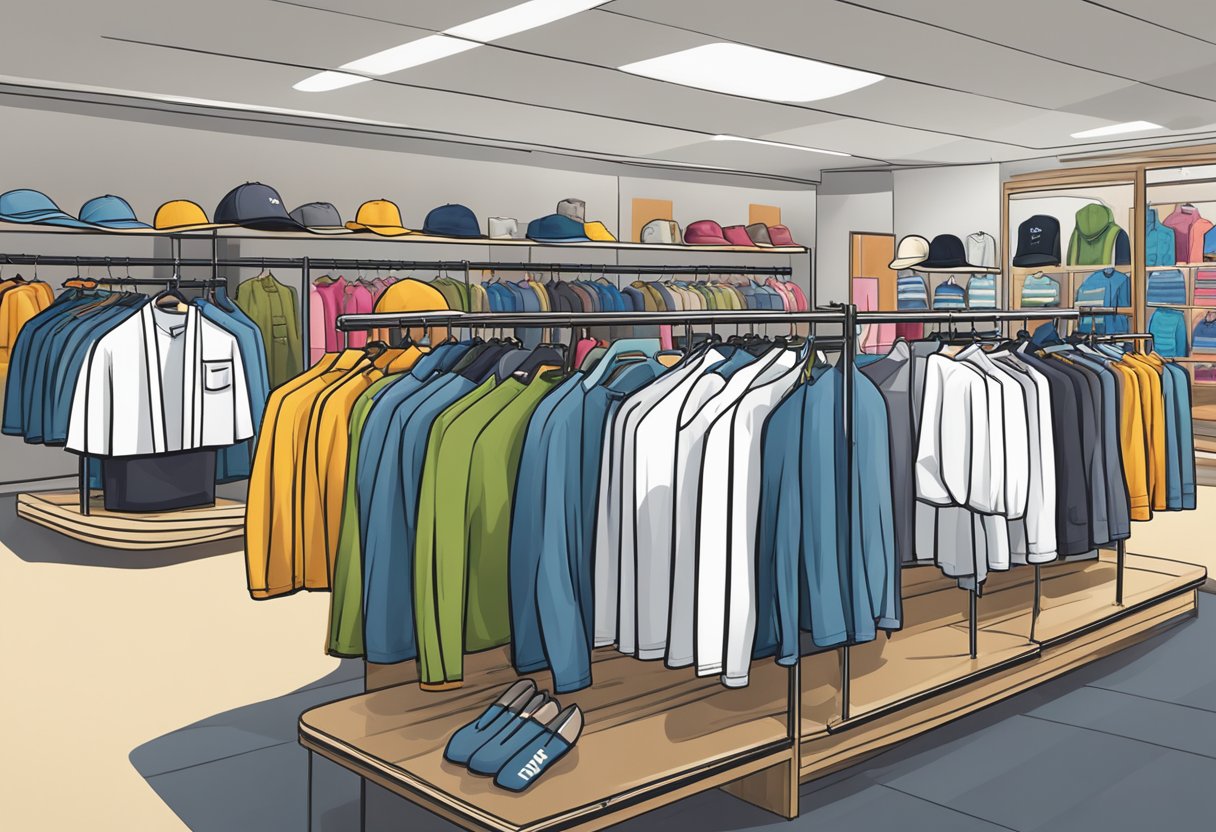
Branded clothing is more than just fabric; it represents identity and style. Many people choose brands not just for quality, but for the image they convey. When we wear branded clothing, we often show our personality while also enjoying the assurance that comes with brand recognition.

A clothing rack displays branded shirts, hats, and jackets in a well-lit store

The logos and designs of well-known brands can evoke trust and loyalty. We see these brands in various settings, from casual outfits to corporate clothing, and they often reflect our lifestyles and values. Understanding how branded clothing works helps us appreciate why we are drawn to certain labels.

In a crowded market, branding plays a key role in how we perceive fashion. Each brand crafts its image carefully to attract specific audiences. This connection between clothing and branding shapes our choices, making it a vital topic to explore.

The Importance of Branded Clothing in Business

Branded clothing plays a vital role in expressing our corporate identity. It helps us stand out and strengthens our connection with customers. We’ll explore how it builds brand identity, promotes professionalism, and effective strategies for branding apparel.

Building Brand Identity

Branded clothing helps to create a strong brand identity. When we use specific logos and designs, it tells our story. Our brand values and mission can shine through in the apparel we choose. For example, consistent use of colours and fonts in our uniforms reinforces recognition.

A clearly defined image helps customers remember us. They associate our logo with certain qualities, such as trust and quality. This connection can lead to increased brand loyalty over time. When team members wear our corporate clothing, they become walking advertisements for our brand.

Enhancing Professionalism and Team Unity

Wearing branded clothing promotes professionalism. It shows that we take our business seriously. Uniforms can also create a sense of unity among team members. When we all wear the same clothing, it fosters a collaborative environment.

This unity can boost productivity. Team members who feel connected are often more engaged. A strong corporate image reflected in our workwear enhances customer perceptions. It signals to clients that we are organised and focused.

Moreover, branded clothing can help distinguish roles within the company. Different designs for various departments keep things clear and professional.

Strategies for Branding Apparel

We can adopt a variety of strategies for effective branding through apparel. First, we should choose clothing that reflects our brand values. For instance, sustainable fabrics can showcase our commitment to the environment.

Next, incorporating our logo prominently on uniforms ensures high visibility. We can consider unique designs that set us apart from competitors. Effective branding techniques include using eye-catching colours and comfortable fits.

Advertising our branded clothing through social media can raise awareness. Campaigns featuring team members in our workwear create a visual connection. This approach aids in cementing our brand image in the minds of potential customers.

Selecting the Right Branded Clothing Items

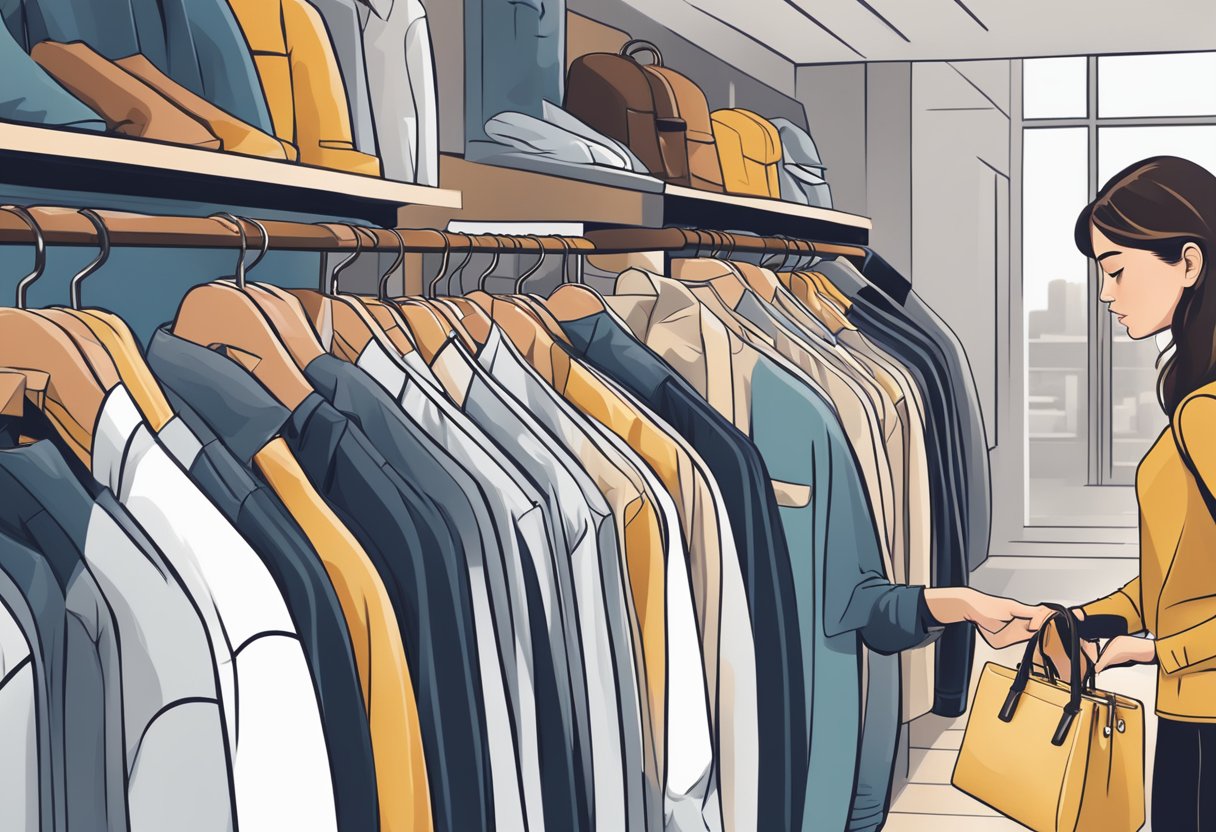
A hand reaches for a rack of branded clothing items, carefully inspecting each one before selecting the right pieces

When choosing branded clothing, we should consider the purpose and the climate. Different styles work best in different environments. It’s also essential to mix casual and formal options. We can enhance our branding with accessories that complement the main items.

Corporate Wear for Different Climates

Selecting corporate wear requires us to consider the local climate. For warmer areas, lightweight options like short-sleeved shirts and breathable fabrics are ideal. Golf shirts and lightweight jackets can provide a professional look while keeping us cool.

In colder climates, we might choose fleece jackets or sweaters layered under blazers. Vests can add warmth without bulk, and long-sleeved shirts are essential. It’s also smart to look for high-quality fabrics that resist wear and keep their shape.

Casual and Formal Options

We have a range of options for both casual and formal settings. For casual wear, T-shirts and hoodies can promote a relaxed brand image. These items work well for events or company outings. Consider vibrant colours and playful designs for a friendly approach.

For formal occasions, corporate uniforms or tailored jackets are advisable. Lounge shirts paired with trousers create a neat look without sacrificing comfort. We can also use branded tracksuits for team-building exercises while maintaining a polished appearance.

Accessories and Additional Branding Opportunities

Accessories play a crucial role in branding. Items like beanies and bags can feature the company logo to enhance visibility. We can also consider practical items like water bottles or lanyards that employees can use daily.

When selecting accessories, we should focus on quality. High-quality scarves or belts can elevate any outfit. Customising items with a logo offers further branding opportunities. Using a mix of clothing and accessories, we can create a cohesive look that reflects our brand identity.

https://waxedbranding.co.za/

https://waxedbranding.co.za/branded-clothing/


Someone Totaled My Car—Can I Sue?Someone Totaled My Car—Can I Sue?

A car accident is overwhelming, especially if your car is totaled. You might wonder if you can sue the person who caused it. The short answer is yes, you can.

What Does “Totaled” Mean?

When a car is totaled, the repair costs are higher than the vehicle’s actual value. For instance, if your car is worth $7,000 but repairs would cost $8,000, the insurance company considers it totaled. In such cases, your vehicle is likely beyond repair, and you’ll need a replacement.

Being left without a car disrupts your life. Losing a vehicle is a big inconvenience whether you need it for work, family, or daily tasks. The situation becomes more complicated if the at-fault driver’s insurance doesn’t fully cover the damages.

Who Pays for the Damages?

If the other driver caused the crash, their insurance should pay for the damages, including the value of your totaled car. Typically, they’ll offer the actual cash value (ACV), which your car was worth before the crash—not what you paid. The ACV is based on the car’s age, mileage, condition, and market value.

Sometimes, insurance companies offer less than what you believe your car is worth. You can negotiate with the insurer if you feel the settlement is unfair. However, you may need to consider filing a lawsuit if negotiations fail.

When Should You Sue?

Suing is an option when you can’t reach a fair agreement with the insurance company or the at-fault driver. Common reasons to sue include:

  1. Low Settlement Offers: If the insurance company’s payout doesn’t cover the cost of replacing your car, a lawsuit may help recover the difference.
  2. Insurance Denial: If the insurance company denies your claim, you might need to sue the driver directly.
  3. Uninsured Driver: If the driver doesn’t have insurance, a lawsuit may be your only option to recover damages.
  4. Delayed Injuries: Even if you felt fine at the scene, some injuries, like whiplash, back pain, or emotional distress, may appear days or weeks later. These delayed injuries can significantly impact your health and finances, making a lawsuit necessary.

What Can You Sue For?

In a lawsuit, you can claim several types of damages:

  • Property Damage: The cost of replacing your totaled car.
  • Medical Expenses: If delayed injuries appear later, you can claim for those medical costs.
  • Rental Car Costs: Fees for a rental car while you wait for a settlement.
  • Lost Wages: If you miss work because you don’t have a vehicle or due to injury, you can claim lost income.
  • Additional Expenses: Out-of-pocket costs like towing, storage, or other related fees.

Delayed injuries can complicate the situation. They may require ongoing medical treatment, which could be expensive. Emotional distress from the accident can also be a factor, especially if it impacts your daily life.

Gathering Evidence

If you decide to sue, collecting evidence is crucial. You’ll need:

  • Photos of the accident scene and the damage.
  • The police report.
  • Witness statements.
  • Medical records, especially if you experience delayed injuries.
  • Repair estimates or the valuation of your totaled car.

The more detailed your evidence, the stronger your case will be.

Small Claims vs. Civil Court

Where you file your lawsuit depends on the amount you’re seeking. In Washington, DC, small claims court handles cases up to $10,000. It’s faster, less formal, and you usually don’t need an attorney. If your damages exceed this limit or your case is more complex—especially if delayed injuries are involved—you’ll need to file in civil court.

Lawsuit Timeline

If you choose to sue, the process typically involves:

  1. Filing the Complaint: A document outlining your claims against the at-fault driver.
  2. Serving the Defendant: The person you’re suing must be formally notified.
  3. Discovery: Both sides gather evidence and share information.
  4. Negotiation: Many cases settle before trial. Your attorney can help negotiate a fair settlement.
  5. Trial: A judge or jury will decide the case if no settlement is reached.

Delayed Injuries: What to Watch For

Even if you feel fine right after the crash, some injuries take time to show symptoms. Whiplash, for example, can cause pain that surfaces days later. Back injuries and emotional trauma can also emerge over time.   If delayed injuries appear, you’ll want to include those expenses in your lawsuit–this is why getting a medical evaluation soon after the accident is critical, even if you don’t feel hurt immediately.

Alternatives to Suing

Before heading to court, explore other options:

  • Negotiation: Directly negotiating with the insurance company or the at-fault driver can sometimes lead to a better settlement.
  • Mediation: A neutral third party helps both sides reach an agreement.
  • Arbitration: A more formal process where a third party decides the outcome without going to court.

Consult an attorney specializing in car accidents to explore your options and protect your rights.

Why Lawyer SEO is Your Ticket to Digital DominanceWhy Lawyer SEO is Your Ticket to Digital Dominance

Let’s play a game of “Truth or Dare”. Truth, every law firm needs a website. Dare, try to get ahead without a strong online presence. We bet you don’t want to take that dare! In today’s digitized world, it is no more a secret that your online visibility is a game-changer. But, what makes your law firm visible to potential clients? The answer is: Lawyer SEO. Just setting up a website is not enough; you must ensure it appears on the first page of search results. But why, you might wonder? Well, according to research, 75% of people will never scroll past the first page on a Google search. Frightening, isn’t it? But, don’t panic! That’s where Lawyer SEO comes in to save the day.

Unraveling the Power of Lawyer SEO

Wait a minute…SEO? Sounds a bit technical, huh? Well, Think of SEO (Search Engine Optimization) as your online GPS, guiding potential clients straight to your law firm’s website. Lawyer SEO refers to the application of SEO strategies specifically designed for attorneys. Now, imagine your website as a signboard. Without SEO, it’s like having that signboard in a dark alley. But with proper SEO, it’s like placing your signboard on a busy street, visible to everyone passing by. Sounds terrific, right?

A Preview of Lawyer SEO Services

Think you need to be a technical whiz to implement Lawyer SEO? Not at all! There are professional Lawyer SEO services that can turn the digital spotlight on your law firm. They will conduct keyword research, optimize your website’s content, and ensure it is mobile-friendly. They even take care of local SEO to attract clients in your vicinity. These services can drive a consistent stream of potential clients to your website, making it an essential part of your overall marketing strategy. So, what’s the real deal? With Lawyer SEO services, your website becomes a client magnet!

Why choose SEO for Attorneys?

Now, we hit the million-dollar question: Why choose SEO for attorneys? Well, the answer is simple: to reach the right people at the right time. We are living in an era where most people turn to search engines like Google for answers. If your law firm’s website ranks high in search results, it can become your most potent lead generator. Every click is a potential client. So, don’t you think it’s time you started investing in SEO for attorneys?

Crafting Victories with Law Firm SEO

Law firm SEO is not about quick wins; it’s about long-term success. When your law firm’s website ranks consistently high in the search results, you build trust and credibility with your present and future clients. Moreover, law firm SEO gives you an edge over your competitors by making your website more visible, accessible, and user-friendly. Just like a well-argued case can win you a verdict in court, a strong online presence powered by law firm SEO can win you clients on the digital battleground. So, isn’t it time to let your law firm enjoy the spotlight it deserves?

Lawyer SEO Services

Address: 7 Skyline Dr Suite 350, Hawthorne, NY 10532 Phone: 1 212 202-3214

Conclusion: Embrace the Digital Age with Lawyer SEO

So, ready to crush it in the digital arena? Lawyer SEO is your secret weapon. The future is digital, and your law firm needs to secure its place in that future. After all, it’s not about being on the web, but being found on the web that matters. So, who’s ready for a game-changing move? Then, let’s embrace the digital age with lawyer SEO!

Pool Covers: Essential Protection for Your Swimming AreaPool Covers: Essential Protection for Your Swimming Area

Pool covers are essential accessories for any swimming pool owner. They protect pools from debris, reduce water evaporation, and help maintain water temperature. We’ve seen how these simple devices can make a big difference in pool maintenance and safety. Covers for swimming pool

A pool covered with a blue tarp, surrounded by a fence and greenery. The cover is taut and reflects the sunlight, creating a shimmering effect

A good pool cover can save time and money on cleaning and chemicals, while also preventing accidents. Many pool owners don’t realise how much easier their lives can be with the right cover. From mesh to solid, manual to automatic, there’s a pool cover to suit every need and budget.

Safety is a top priority for pool owners, especially those with young children or pets. Pool covers act as a barrier, reducing the risk of accidental falls into the water. We’ll explore the different types of safety covers available and how they work to keep your loved ones safe.

Understanding Pool Covers

Pool covers are essential accessories for swimming pool owners. They offer protection, safety, and energy efficiency benefits. Let’s explore the different types, advantages, and customisation options for pool covers.

Types and Materials

Pool covers come in several varieties. Mesh covers are lightweight and allow water to pass through. They’re great for keeping out debris but don’t prevent evaporation. Solid covers are heavier and block all light and water. They’re ideal for winterising pools.

Automatic covers are convenient and can be operated with the push of a button. They’re often made of durable vinyl or polycarbonate. Solar covers, also called bubble covers, help heat the pool and reduce evaporation.

Materials range from reinforced vinyl to polyethylene. Each type has its strengths. Vinyl is tough and long-lasting. Polyethylene is lightweight and affordable.

Benefits of Pool Covers

Pool covers offer many advantages. They keep debris out, which means less cleaning for us. This saves time and reduces chemical use. Covers also help maintain water temperature, extending the swimming season.

Safety is a crucial benefit. Sturdy covers can support the weight of a child or pet, preventing accidents. They act as a barrier, giving us peace of mind.

Water conservation is another plus. Covers reduce evaporation by up to 95%. This saves water and chemicals, lowering our costs. In hot climates, this benefit is especially valuable.

Customisation and Installation

We can customise pool covers to fit any shape or size. Manufacturers offer a range of colours to match our outdoor décor. Some even provide patterned options for a unique look.

To get the right fit, we need precise measurements. It’s best to have a professional measure the pool. They’ll account for curves, steps, and other features.

Installation varies by cover type. Some we can DIY, while others need expert fitting. Automatic covers require more complex installation, including tracks and a motor.

For the best results, we should choose a cover that suits our climate and usage. Quality matters – a well-made cover will last longer and perform better.

Customer Engagement and Support

A group of people gather around a pool, discussing and demonstrating pool cover options. Tables with brochures and samples are set up nearby

We value our pool owners and aim to provide top-notch service at every step. Our team is here to assist you with buying, using, and caring for your pool cover.

Making Your Purchase

Choosing the right pool cover is crucial. We offer strong, durable options to fit your needs. Our sales team can help you pick the perfect cover for your pool size and shape. We’ll guide you through measuring your pool and selecting extras like roll-up stations.

To order, simply ring us or visit our website. We’ll walk you through the process and answer any questions. Our goal is to make buying easy and stress-free.

We offer various payment options to suit your budget. Once you’ve placed your order, we’ll give you a clear timeline for delivery and installation if needed.

Maintaining Your Pool Cover

Proper care extends the life of your pool cover. We recommend brushing off dirt, leaves, and debris regularly. For tougher stains, a mild soap and water solution works well.

In winter, remove standing water to prevent ice damage. Check for tears or weak spots often, especially after storms.

We provide care guides with each purchase. These offer step-by-step tips for cleaning and storage. Following these will help your cover last longer.

For automatic covers, test the motor monthly. Apply lubricant to moving parts as directed in the manual.

After-Sales Service

Our support doesn’t end with your purchase. We’re here to help with any issues that may arise. Our customer service team is just a phone call away.

If you need repairs, we can often guide you through simple fixes. For more complex problems, we offer repair services. We stock parts for most models to ensure quick fixes.

We value your feedback. Please let us know how we’re doing. Your input helps us improve our products and service. We’re always striving to better meet your needs.

Don’t hesitate to contact us with questions or concerns. Your satisfaction is our top priority.

https://www.designercovers.co.za/


What does underinsured motorist coverage mean in the legal space?What does underinsured motorist coverage mean in the legal space?

What does underinsured motorist coverage mean in the legal space?

In the legal space, “underinsured motorist coverage” (UIM) refers to a type of insurance that provides protection for drivers who are involved in accidents with motorists whose insurance coverage is insufficient to fully cover the damages. According to the Munley Law Glossary, this coverage is designed to fill the gap between the at-fault driver’s insurance limits and the actual damages sustained by the injured party.

Understanding Underinsured Motorist Coverage

Underinsured motorist coverage involves several key aspects:

Purpose: The primary purpose of UIM coverage is to protect drivers when they are in an accident with a motorist who has insurance but whose coverage limits are too low to cover the full extent of the damages. This can help ensure that victims receive adequate compensation for their injuries and losses.

Coverage Limits: UIM coverage has its own limits, which are typically specified in the insurance policy. These limits represent the maximum amount that the insurer will pay for damages caused by an underinsured motorist.

Excess Coverage: UIM coverage applies when the damages exceed the amount covered by the at-fault driver’s insurance. For example, if the at-fault driver has a $25,000 insurance limit but the damages amount to $50,000, UIM coverage can help cover the remaining $25,000.

State Requirements: The availability and requirements for underinsured motorist coverage vary by state. Some states require drivers to carry UIM coverage, while others allow it as an optional add-on to auto insurance policies.

Legal Contexts Where Underinsured Motorist Coverage Applies

Automobile Accidents: UIM coverage is most commonly used in automobile accident cases where the at-fault driver does not have sufficient insurance to cover the injured party’s medical expenses, property damage, or other losses.

Personal Injury Claims: In personal injury claims involving automobile accidents, UIM coverage can provide additional compensation when the at-fault driver’s insurance is inadequate. This can help cover medical bills, lost wages, pain and suffering, and other damages.

Insurance Disputes: Disputes may arise over UIM coverage, such as disagreements about the amount of coverage or whether the at-fault driver was underinsured. In such cases, legal action may be necessary to resolve the issue and obtain the appropriate compensation.

Policy Limits: The specifics of UIM coverage, including policy limits and exclusions, are outlined in the insurance policy. Understanding these details is crucial for effectively utilizing UIM coverage and ensuring adequate protection.

Legal Implications of Underinsured Motorist Coverage

Supplementary Coverage: UIM coverage serves as supplementary insurance that provides additional protection when other insurance limits are insufficient. It helps bridge the gap between what is covered by the at-fault driver’s insurance and the actual damages incurred.

Claim Process: To make a claim under UIM coverage, the policyholder must typically demonstrate that the at-fault driver was underinsured and provide documentation of the damages. The insurance company will then evaluate the claim and determine the amount of compensation.

Policy Limits and Excess Coverage: The amount of compensation available under UIM coverage is subject to the policy limits. If the damages exceed these limits, additional sources of compensation may need to be pursued.

State Variations: Legal requirements and regulations related to UIM coverage vary by state. Drivers should be aware of their state’s requirements and ensure they have adequate coverage as part of their auto insurance policy.

Role of Munley Law Glossary

The Munley Law Glossary provides definitions and explanations of legal terms related to underinsured motorist coverage, helping clients, attorneys, and other stakeholders understand the concept and its applications in insurance and legal contexts.

In the legal space, “underinsured motorist coverage” (UIM) is insurance that provides additional protection when involved in an accident with a driver whose insurance is insufficient to cover the damages. UIM coverage helps bridge the gap between the at-fault driver’s insurance limits and the actual damages, ensuring that victims receive adequate compensation. Understanding UIM coverage, as detailed in the Munley Law Glossary, is crucial for managing risks, filing claims, and securing proper protection in automobile accidents.